
Life has its means of surprising you all, and sometimes, these surprises can come in the shape of unexpected dental problems. Emergency dental care is like a safety net for the teeth. It's that reassuring hand you are able to reach out to when dental troubles strike from the blue. Unlike your regular dental visits which are planned and scheduled, emergency dental care handles urgent issues that can't wait. It's any sudden and severe dental issue that needs immediate attention. It could be an excruciating toothache, a knocked out tooth, a damaged tooth, or perhaps a lost filling. They're situations where time matters and a quick response may make a substantial difference. Dental implants and veneers are advanced dental solutions that can also sometimes cause unexpected issues. While they are created to be durable and long-lasting, there might be situations where they might require emergency attention. As an example, if you feel severe pain around a dental implant or notice a veneer is now dislodged, it's crucial to find emergency dental care promptly. The main element is to understand when hitting the panic button and seek out emergency dental care. If you are searching to learn more about emergency dental brisbane, look into the previously mentioned site.
Similarly, if you've had an incident and your tooth is now in pieces, it's time to behave swiftly. Even issues such as a swelling jaw or a loose tooth shouldn't be brushed aside. Emergency dental care isn't nearly fixing the immediate issue at hand. It's about preventing further complications. You see, dental problems don't rest. A tiny chip that could develop into a tooth might cause a painful infection if left unattended. For this reason seeking prompt professional help is crucial. When you head to an emergency dental care facility, the expectation could be the goal is to supply quick relief from pain and address the problem. The dental team will assess the problem, possibly take X rays, and then recommend the necessary steps. These might include procedures to correct a cracked tooth, repositioning a knocked out tooth, or providing medication to control the pain and infection. Remember, emergency dental care isn't more or less fixing the issue and bidding you farewell. It's also about follow-up care.
The dental professionals will more than likely recommend a follow-up visit to ensure everything is healing as it should. Now, you are able to avoid finding yourself in this situation in the initial place, prevention could be the name of the game. Regular dental check ups can often catch problems before they become emergencies. In a global where in actuality the unexpected is, well, expected, knowing about emergency dental care is similar to having a superpower. It's knowing that you have a spot to show to when dental dilemmas strike out of nowhere. So, remember, if your tooth decides to throb at odd hours or you suddenly get holding fifty per cent of a tooth in your hand, don't panic. Emergency dental care has got your back.
All You Want To Know About The Emergency Dental
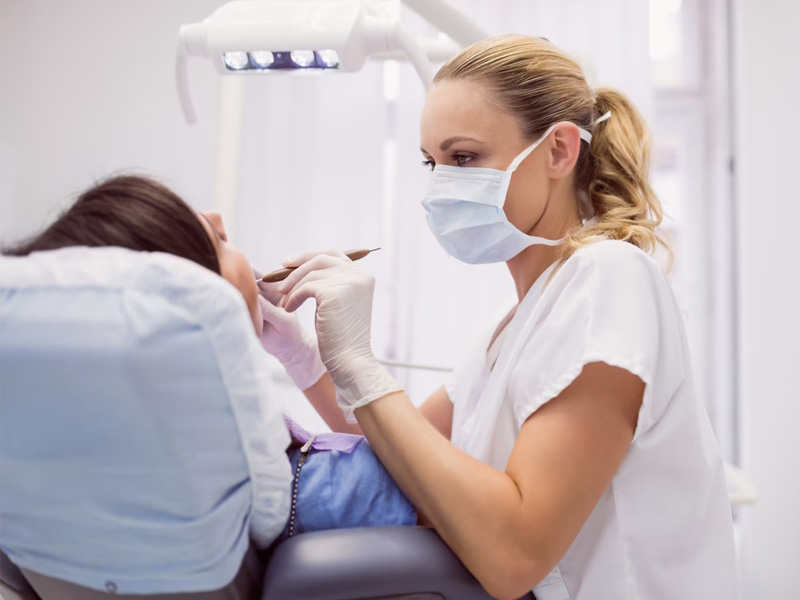
In the search for a captivating smile, many can see the marvel of veneers. These enchanting dental wonders possess the energy to transform ordinary teeth into flawless masterpieces, boosting not merely your appearance but additionally your self assurance. Veneers are the magical shells that elegantly cover the front of your teeth, bidding adieu to imperfections. Imagine saying farewell to discolorations that stubbornly linger despite all efforts, and to those chipped edges that always steal the spotlight. Veneers are here to conceal such quirks. Crafted with finesse and precision, veneers provide a customized elegance. These delicate layers are designed to fit your teeth seamlessly. A naturally radiant smile that doesn't appear "crafted" but effortlessly beautiful. The application form of veneers is a gentle symphony of artistry and technology. The procedure dances like this: a slim layer is delicately lifted from the tooth's front, making room for the veneer. This veneer, a crafted elegance in itself, is then cautiously placed onto the tooth. It is a bit such as a jigsaw puzzle, where each piece finds its place perfectly.
Veneers possess an uncanny ability to mirror light in a way that seems like a play of nature. They mimic the light reflecting properties of teeth, granting your smile a real, lifelike luster. This natural gleam sets you apart, making your smile magnetic. Once you choose veneers, you embark on a trip of resilience. These remarkable shields are sturdy and enduring, ready to stand the test of time. With good care, your veneers can be your companions for decades, allowing you to flaunt that confident smile day in and day out. Bid adieu to the occasions of self consciousness about your teeth. Veneers are your trusted companions in conquering teeth insecurities. Their transformative power isn't just physical; it's a mental and emotional makeover too. Maintenance of those beauties is simpler than you think. Regular oral hygiene, the sort you already practice, could be the key. Think of your veneers as prized possessions that deserve your care. Brush, floss, and visit your oral magician regularly. They'll ensure your veneers remain as enchanting as the afternoon these were applied. A person with a wish for that extra sparkle can consider veneers.
If you find yourself wishing for that ideal pair of teeth, veneers could be the answer. Consultation with a dental virtuoso can guide you with this path. In a global where first impressions are etched quickly, your smile plays a starring role. Veneers are like your own personal spotlight, accentuating your uniqueness. The simplicity of the procedure, the durability of the results, and the confidence it gifts you, are the weather that make veneers a symphony of beauty in dentistry's orchestra. In summary, veneers are the ambassadors of grace for your teeth. They are the curtains that rise, unveiling the magic of one's smile. It's about choosing presenting the most effective version of yourself, not only to others, but to yourself too. Veneers are more than a dental procedure; they are an artistic journey toward unbridled confidence.
A Little Bit About Emergency Dental Near Me
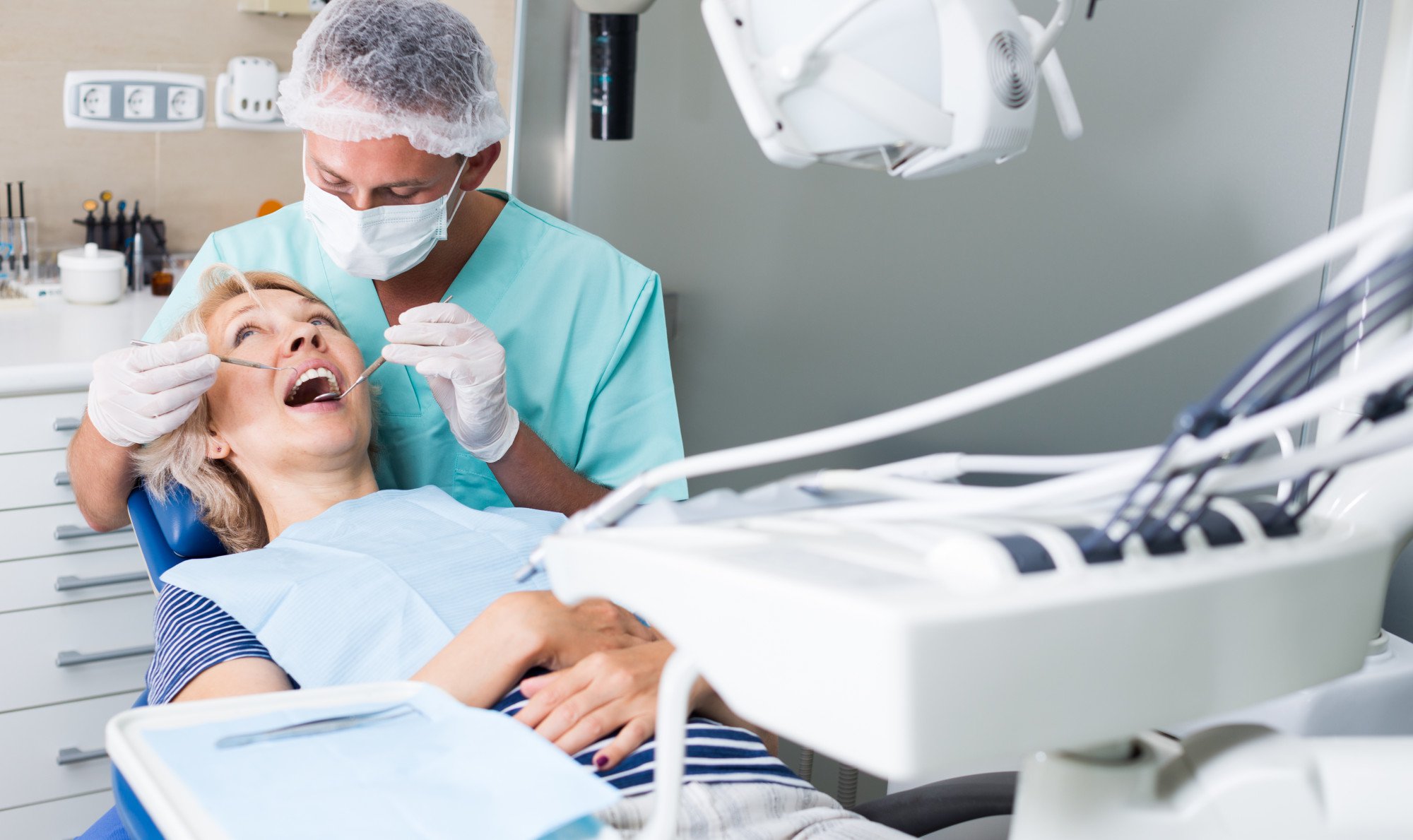
The term "emergency dental treatment" describes many different serious problems that demand prompt dental care. Although not all dental emergencies are painful, soreness is generally a clear sign of underlying issues. Pain serves as a diagnostic tool for skilled dentists, pointing them in the direction of efficient therapies, if it originates in the tooth or its surrounding tissues. The spectral range of emergency dental disorders includes anything from viral, bacterial, and fungal infections to tooth fractures and dental restorations, each requiring a different treatment strategy. Tooth fractures or dental trauma, which could affect the bone surrounding the tooth along with the tooth itself, certainly are a serious problem. The type of treatment depends upon the location and severity of the fracture. Dental restoration, which include tooth loss or fracture and affects look, feeding, and speech, is equally urgent. Maintaining both oral functionality and attractiveness requires prompt treatment. Dental discomfort is a regular reason behind medical emergencies. Bacterial toxins from necrotic pulp, inadequate restorations, and inflammatory mediators from irreversibly damaged pulp are some of the contributing factors.
This illness may also be attributable to endodontic therapy. Acute apical periodontitis causes touch or pressure-induced moderate to severe pain that's occasionally followed closely by spontaneous discomfort. Pain is generally absent in chronic apical periodontitis unless the surrounding tissues are activated. When bacteria enter peri-radicular tissues, causing inflammation, an apical abscess develops as an advancement of apical periodontitis. You will find both acute and chronic variations. Acute apical abscesses can occasionally compromise the airway and bring about facial edema, fever, and malaise. On another hand, must be sinus tract relieves pressure, persistent abscesses don't exhibit any symptoms. Inflammation of the periodontal tissues, typically brought on by bacteria in the periodontal pockets, is the explanation for periodontal abscesses. This disease may develop consequently of post-periodontal therapy, bacterial implantation, or foreign substances. Veneers and dental implants are significant in the field of modern dental operations. Veneers are small, individually created shells which can be placed over the front of teeth to enhance appearance and mask flaws like discolouration, chipping, or abnormalities.
Because they might require little tooth reduction and gluing for an all natural appearance, they offer an efficient aesthetic alternative. Dental implants, which are made of a titanium post that's surgically implanted to the jawbone to simulate natural tooth roots, behave as long-lasting substitutes for lost teeth. The post is then covered with a crown. Dental implant promote long-term oral health by restoring both functionality and aesthetics. Wide-ranging severe disorders requiring emergency dental care are frequently indicated by discomfort. The explanation for dental pain influences diagnosis and therapy. Odontogenic pain is associated with tooth-related issues and varies in how well the dental pulp is doing. Dental or periodontal problems might result in peri-radicular pain, which demands immediate care. Additionally, dental implants and veneers provide cutting-edge alternatives to improve dental functioning and aesthetics.